The Distinctive Character of Nattō
In the rich tapestry of Japanese culinary traditions, nattō holds a truly distinctive place. Known for its unique aroma and famously sticky, stringy texture, it is a food that often elicits strong reactions. While some find its qualities challenging, for many in Japan, it is a cherished part of daily life, a testament to the diverse and profound flavors found within the country's cuisine.
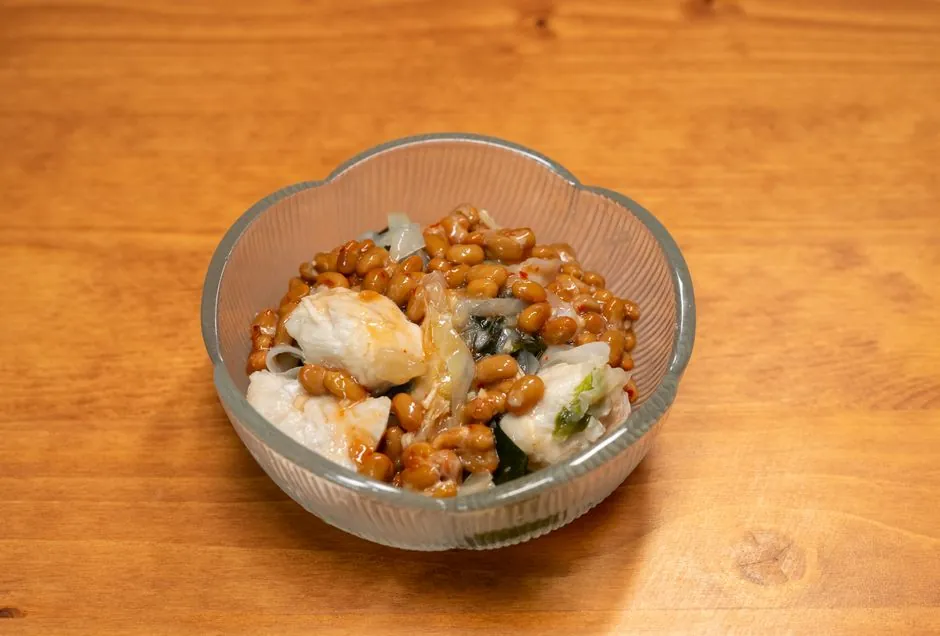
Nattō served with rice and miso soup.
A Staple of Japanese Life
For generations, nattō has been deeply woven into the fabric of Japanese households. Beyond its widely discussed nutritional aspects, its enduring appeal within Japan stems significantly from its remarkable affordability. This accessibility has cemented its role as a common, nourishing staple, often enjoyed at breakfast, offering a simple yet profound connection to traditional eating habits. It represents a practical elegance in everyday sustenance.
Nattō's Global Journey
What has long been a familiar presence in Japan is now gradually captivating palates across the globe. The unique charms of nattō, once perhaps considered an acquired taste beyond its homeland, are increasingly being discovered and appreciated by a wider international audience. This growing curiosity reflects a broader openness to exploring the nuanced and sometimes surprising flavors that define Japanese culinary heritage.
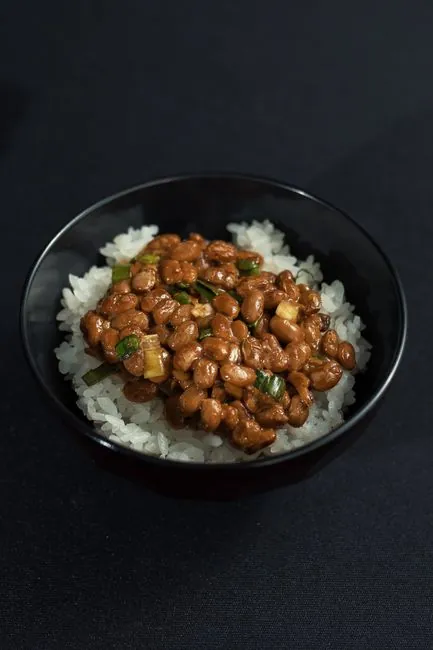
The distinctive sticky texture of nattō.
From the Editors
Nattō, with its singular characteristics, offers a fascinating lens through which to view Japanese culture. It embodies a philosophy where even the most humble and affordable ingredients can hold deep cultural significance and provide sustained nourishment. Its journey from a local staple to an internationally recognized food speaks to the universal human experience of discovering and embracing new tastes. This simple dish quietly continues to charm and challenge, inviting us to look beyond initial impressions and appreciate the depth of its tradition.
More from this topic: Rituals