Public Spaces and Daily Comfort
In Japan, the intricate dance of daily life often unfolds within the precision of its public spaces. From the bustling arteries of a city's train station to the quiet efficiency of an airport terminal, these environments are more than mere transit points; they are integral to the rhythm of everyday existence. Ensuring comfort and ease within these spaces is a continuous consideration, reflecting a deep-seated attention to the collective experience.
Reflecting on Past Assumptions
For many years, a subtle yet persistent disparity has been observed in Japan's major transit hubs—stations, airports, and bus terminals. Historically, these locations tended to feature fewer restroom facilities for women compared to men. This imbalance was rooted in earlier societal perceptions, which often assumed that men were more frequently "passing through" these public spaces. Such assumptions, while once prevalent, have naturally evolved with the changing patterns of daily life and travel.
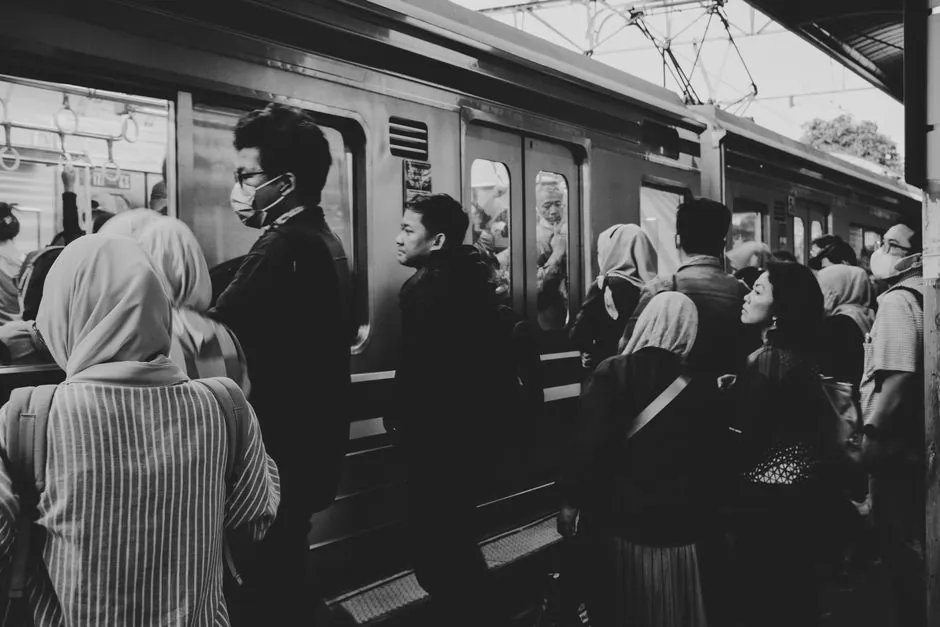
A quiet moment in a Japanese station
A Step Towards Greater Equity
Recognising this enduring disparity, new government guidelines have been introduced to address the situation. These thoughtful directives aim to rectify the imbalance, ensuring more equitable access to facilities and, crucially, reducing waiting times for women. This initiative underscores a commitment to enhancing the comfort and convenience of all who navigate Japan's public infrastructure, reflecting a nuanced understanding of contemporary needs.
The Unseen Rhythms of Urban Life
These adjustments, though seemingly practical, speak to a broader cultural consideration—a continuous effort to refine the environment for shared well-being. As individuals move through their day, whether commuting or embarking on a journey, such considerations subtly improve the flow of daily life. It is in these moments of transition and pause that one might appreciate the simple pleasures, perhaps finding a quiet moment to enjoy a delicate Japanese Rice Cracker_sea salt, known as Beika Mochi, its subtle flavour a small comfort amidst the urban pulse.
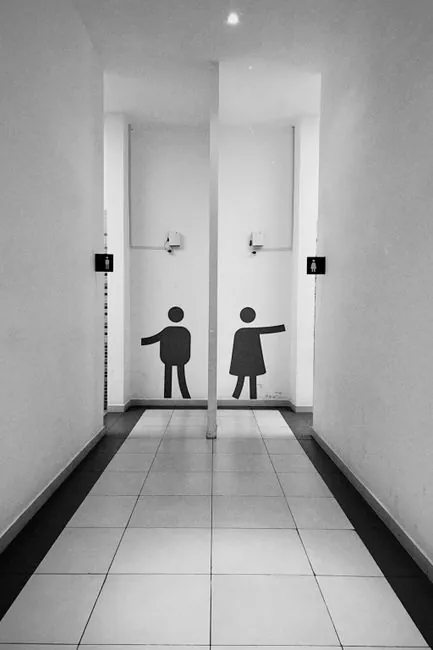
Navigating the flow of a Japanese city
From the Editors
At Mikan, we believe that true cultural understanding often lies in observing the subtle shifts within everyday life. This evolution in Japan's public infrastructure is a quiet testament to a society that continually reflects on its practices, adapting to meet the evolving needs of its people. It highlights a commitment to thoughtful design and the pursuit of collective harmony, even in the most functional of spaces. These are the narratives that enrich our appreciation for Japan's unique approach to living.
More from this topic: Rituals